-
- The Beatles perform live at Lathom Hall, Lathom Avenue, Seaforth, Liverpool L21 1EB, Merseyside
A Day in the Life: The Beatles on February 6, 1961
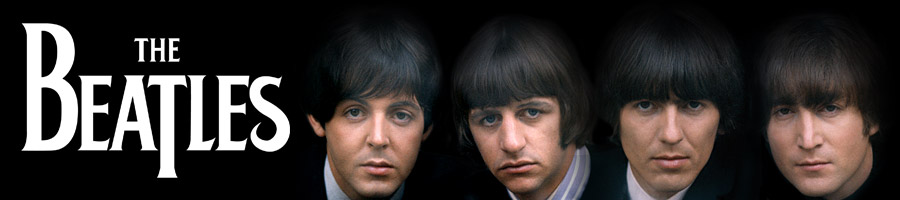
In the early days of their burgeoning career, The Beatles were honing their craft through relentless live performances in the vibrant music scene of Liverpool. On February 6, 1961—a crisp Monday evening—the group took the stage at Lathom Hall in Seaforth, Liverpool. This marked their eighth appearance at the venue, promoted by Brian Kelly of Beekay Promotions. At this point, The Beatles consisted of John Lennon, Paul McCartney, George Harrison, Stuart Sutcliffe, and Pete Best. Fresh off their transformative stint in Hamburg, Germany, where they had sharpened their skills playing grueling sets, the band was building a local following with their energetic rock ‘n’ roll covers and emerging original compositions.
Lathom Hall, located on Lathom Avenue, was a modest but lively spot known for hosting up-and-coming acts. The performance was part of a string of gigs that helped solidify The Beatles’ reputation in Merseyside. While no recordings or setlists from this exact show survive, typical sets from this era included hits by Chuck Berry, Buddy Holly, and Gene Vincent, blended with early Lennon-McCartney tunes. This gig came just three days before their legendary first appearance at The Cavern Club on February 9, which would become synonymous with their rise to fame. Though February 6, 1961, might seem like a footnote in their storied history, it exemplifies the grind that propelled them from local heroes to global icons.
As The Beatles rocked Lathom Hall, the music world around them was buzzing with chart-toppers that captured the era’s romantic and upbeat spirit. Let’s dive into the sounds dominating the airwaves on both sides of the Atlantic.
Top 10 Songs in the UK Charts on February 6, 1961
The UK charts in early 1961 were a mix of heartfelt ballads and novelty tunes, reflecting a transitional period before the British Invasion. Here’s the top 10 from the week surrounding February 6:
- Are You Lonesome Tonight? by Elvis Presley
- Poetry In Motion by Johnny Tillotson
- Portrait Of My Love by Matt Monro
- Pepe by Russ Conway
- Counting Teardrops by Adam Faith
- It’s Now Or Never by Elvis Presley
- I Love You by Cliff Richard & The Shadows
- Save The Last Dance For Me by The Drifters
- Goodness Gracious Me by Peter Sellers & Sophia Loren
- Strawberry Blonde (The Band Rocked On) by Frank D’Rone
Elvis Presley dominated with two entries, showcasing his enduring appeal. These songs provided a soundtrack to everyday life, from dances to quiet evenings, much like The Beatles’ live sets energized their audiences.
Top 10 Songs in the USA Charts on February 6, 1961
Across the pond, the Billboard Hot 100 featured a blend of girl group harmonies, instrumental gems, and teen idols. The top 10 for the week of February 6 included:
- Will You Love Me Tomorrow by The Shirelles
- Calcutta by Lawrence Welk
- Exodus by Ferrante & Teicher
- Wonderland By Night by Bert Kaempfert
- Angel Baby by Rosie & The Originals
- Shop Around by The Miracles
- Calendar Girl by Neil Sedaka
- Emotions by Brenda Lee
- Rubber Ball by Bobby Vee
- My Empty Arms by Jackie Wilson
Instrumentals like “Calcutta” and “Exodus” highlighted a trend toward orchestral pop, contrasting the raw energy of bands like The Beatles. These hits influenced the global music landscape, setting the stage for the rock revolution.
While music provided escapism, the world on February 6, 1961, was marked by significant news events that underscored social, political, and economic tensions.
Top News Headlines in the UK and the World on February 6, 1961
In the UK, headlines focused on international diplomacy and domestic affairs. U.S. Vice President Lyndon B. Johnson called for a reduction in Middle East arms, emphasizing the burden on local populations and pledging American aid. This reflected Cold War anxieties, with Britain navigating its post-imperial role. Domestically, discussions around economic policies and cultural shifts were brewing, though no major UK-specific crisis erupted on this day.
Globally, a landmark anti-trust case in Philadelphia saw seven executives from major electrical companies, including General Electric and Westinghouse, sentenced to 30 days in jail for bid rigging on government contracts. Judge J. Cullen Ganey highlighted the stakes for free-market economies amid competition with planned systems. In Burma, General Ne Win purged his military command, signaling internal power struggles. In the U.S., the “Jail, No Bail” movement began in Rock Hill, South Carolina, where civil rights activists chose incarceration over fines to protest segregation, amplifying the fight for equality. Additionally, KOAP TV (now Oregon Public Broadcasting) in Portland began transmissions, expanding public media access.
These events painted a picture of a world in flux, with civil rights advancements and corporate accountability mirroring broader societal changes that would influence artists like The Beatles in their later socially conscious work.
Notable Births on February 6, 1961
- Yury Onufriyenko, Russian cosmonaut known for his missions to the Mir space station and the International Space Station, contributing to international space cooperation.
- Vince Neil (Vincent Neil Wharton), American musician and lead vocalist of the heavy metal band Mötley Crüe, whose hits like “Girls, Girls, Girls” defined 1980s rock.
- John Kruk, American former professional baseball player and analyst, a three-time All-Star first baseman/outfielder for the Philadelphia Phillies, noted for his colorful personality.
These individuals, born on this date, would go on to make impacts in space exploration, music, and sports, echoing the innovative spirit of 1961.
Notable Deaths on February 6, 1961
- Archibald T. Davison, American musicologist, composer, and Harvard professor, aged 77; pioneered choral music education and influenced generations through his work with the Harvard Glee Club.
Davison’s legacy in music education resonated with the era’s focus on cultural expression, much like The Beatles’ contributions to pop music.
Cultural Events Shaping Global Culture on February 6, 1961
On February 6, 1961, cultural milestones were subtle but significant. The launch of KOAP TV channel 10 in Portland, Oregon (PBS affiliate), marked an expansion of public broadcasting, bringing educational and cultural programming to more households and fostering informed societies.
While no major films premiered exactly on this date, the recent release of “The Misfits” on February 1 continued to buzz. Directed by John Huston and starring Marilyn Monroe, Clark Gable, and Montgomery Clift, this drama followed a divorcée and aging cowboys in Nevada. Written by Arthur Miller, it explored themes of disillusionment and human connection, reflecting post-war existentialism. The film was Gable’s last (he died shortly after filming) and Monroe’s penultimate, adding poignant cultural weight. Its raw performances and themes influenced global discussions on celebrity and mortality, shaping cinematic trends toward more introspective narratives.
Worldwide, no grand festivals occurred on this day, but the ongoing influence of early 1960s cinema and music releases set the tone for cultural shifts. Theater and art scenes simmered with anticipation for spring exhibitions, while music like The Beatles’ gigs hinted at the youth revolution ahead.
As we reflect on February 6, 1961, it’s clear this ordinary day for The Beatles was part of their extraordinary journey. Amid charts filled with romantic tunes, news of justice and activism, and cultural seeds being sown, the world was on the cusp of transformation—much like the Fab Four themselves.
.