1961 Friday 10th February
-
- The Beatles perform live at the Aintree Institute, Longmoor Lane, Aintree, Liverpool L9 0EA, Merseyside
-
- The Beatles perform live at Lathom Hall, Lathom Avenue, Seaforth, Liverpool L21 1EB, Merseyside
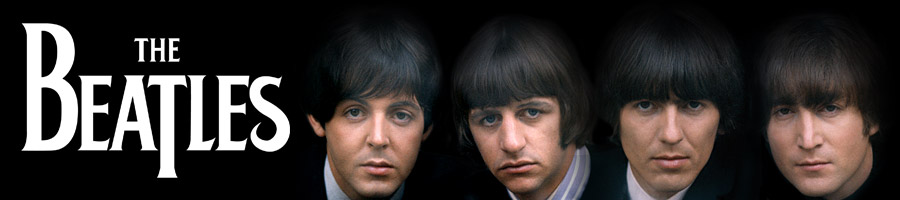
On February 10, 1961, a Friday evening in the bustling city of Liverpool, The Beatles were hard at work honing their craft as one of the most promising up-and-coming bands in the Merseyside scene. Still years away from global stardom, the group—consisting of John Lennon, Paul McCartney, George Harrison, and Pete Best—performed not one, but two live shows that night. Their first gig was at the Aintree Institute on Longmoor Lane in Aintree, Liverpool L9 0EA, Merseyside, a venue known for hosting local rock ‘n’ roll acts. Later that evening, they took the stage at Lathom Hall on Lathom Avenue in Seaforth, Liverpool L21 1EB, Merseyside, another popular spot for emerging talent. These back-to-back performances were typical of The Beatles’ relentless schedule during their formative years, playing countless hours in clubs and halls to build their reputation and refine their energetic sound influenced by American rock ‘n’ roll, skiffle, and rhythm and blues.
While The Beatles were captivating local audiences with their raw energy and tight harmonies, the music world at large was buzzing with hits that dominated the airwaves. Let’s dive into the musical landscape of that exact day by examining the top charts in the UK and the USA, which provide a snapshot of the era’s pop culture soundtrack.
Top 10 Songs in the UK Charts on February 10, 1961
The UK singles chart in early 1961 was a mix of American rock influences and British pop sensibilities, with Elvis Presley reigning supreme. Here’s the top 10, listed from 1 to 10:
-
- Are You Lonesome Tonight? – Elvis Presley
- Sailor – Petula Clark
- Poetry in Motion – Johnny Tillotson
- Pepe – Duane Eddy
- I Love You – Cliff Richard & The Shadows
- What a Party – Adam Faith
- Portrait of My Love – Matt Monro
- Rubber Ball – Bobby Vee
- You’re Sixteen – Johnny Burnette
- Little Girl – Marty Wilde
These tracks reflected the transatlantic exchange of music, with Elvis’s heartfelt ballad holding the top spot for weeks, showcasing his enduring appeal even as new acts like The Beatles were emerging.
Top 10 Songs in the USA Charts on February 10, 1961
Across the pond, the Billboard Hot 100 was filled with doo-wop, instrumental hits, and early Motown sounds. The top 10 for that week included:
-
- Will You Love Me Tomorrow – The Shirelles
- Calcutta – Lawrence Welk
- Shop Around – The Miracles
- Calendar Girl – Neil Sedaka
- Emotions – Brenda Lee
- Wonderland by Night – Bert Kaempfert
- Exodus – Ferrante & Teicher
- Angel Baby – Rosie & The Originals
- Rubber Ball – Bobby Vee
- Pony Time – Chubby Checker
These songs captured the optimistic yet transitional vibe of early 1960s America, with instrumental tracks like “Calcutta” evoking exotic escapism amid Cold War tensions.
As The Beatles played their sets that night, the world around them was marked by significant news events that highlighted the geopolitical and social shifts of the era. February 10, 1961, was a day when global headlines reflected the ongoing Cold War anxieties, technological advancements, and domestic developments.
Top News Headlines in the UK and the World on February 10, 1961
In the UK, the day was relatively quiet on the domestic front, with ongoing discussions in Parliament about economic policies and the aftermath of colonial withdrawals. Prime Minister Harold Macmillan’s government was navigating the winds of change in Africa, as echoed in his famous speech the previous year. Locally, there were reports of labor disputes in industries like shipping and manufacturing, emblematic of Britain’s post-war recovery efforts.
Globally, the world was gripped by Cold War developments. In the Congo, tensions escalated as Katanga leader Moise Tshombe warned the United Nations against intervention, amid the chaotic aftermath of Patrice Lumumba’s recent death, which sparked international outrage and protests. The U.S. under new President John F. Kennedy was dealing with the recession and early foreign policy challenges, including relations with the Soviet Union. Kennedy’s administration was pushing economic stimulus measures, as highlighted in Time magazine’s cover story that week on “Man Meets Presidency.” Additionally, the Niagara Falls hydroelectric project began producing power, a major engineering feat symbolizing North American industrial prowess. In Europe, Austria and Italy agreed to resume talks on the South Tyrol dispute, while in the U.S., the Federal Trade Commission initiated antitrust cases against mergers, signaling regulatory scrutiny on big business.
Amid these events, personal milestones added human interest to the day, with notable figures entering and leaving the world stage.
Notable Births on February 10, 1961
-
- George Stephanopoulos, American journalist, political commentator, and former advisor to President Bill Clinton; known for his role on ABC’s Good Morning America and This Week, he became a prominent voice in U.S. politics and media.
-
- Alexander Payne, American film director and screenwriter; acclaimed for films like Sideways and The Descendants, he has won multiple Academy Awards for his insightful storytelling.
-
- Eva Pfaff, German tennis player; a doubles specialist who reached the Australian Open finals in 1982, she contributed to the sport’s growth in Europe during the 1980s.
Notable Deaths on February 10, 1961
-
- Velma Middleton, American jazz vocalist, age 43; renowned for her work with Louis Armstrong’s big bands and small groups, she was a key figure in mid-20th-century jazz, dying from complications of a stroke.
These births and deaths underscore the cyclical nature of history, even as cultural happenings provided moments of inspiration and entertainment amid the day’s news.
Cultural Events Shaping Global Culture on February 10, 1961
February 10, 1961, was a vibrant day for culture, blending music, film, and technological milestones that influenced society worldwide. In music, the premiere of Walter Piston’s 7th Symphony by the Philadelphia Orchestra under Eugene Ormandy marked a high point in classical composition. Commissioned by the orchestra, this work later won the 1961 Pulitzer Prize for Music, exploring themes of American identity through modernist orchestration. It represented the ongoing evolution of symphonic music in the post-war era, bridging European traditions with U.S. innovation.
In film, the day saw the release of “Cry for Happy,” a comedy directed by George Marshall and starring Glenn Ford, Donald O’Connor, and Miiko Taka. Set in post-war Japan, the plot follows U.S. Navy photographers who mistakenly believe a geisha house is an orphanage, leading to humorous cultural clashes. Based on George Campbell’s novel, the movie highlighted themes of East-West misunderstanding and reconciliation, reflecting America’s fascination with Japan during the Cold War. While not a blockbuster, it contributed to the era’s trend of lighthearted films addressing international relations, influencing discussions on cultural exchange and stereotypes.
Earlier in the month, on February 1, “The Misfits” directed by John Huston had premiered, starring Marilyn Monroe, Clark Gable, and Montgomery Clift. This drama, written by Arthur Miller, explored themes of freedom and disillusionment in the American West, with its raw performances shaping perceptions of Hollywood’s golden age ending. Though not released on February 10, its cultural ripple was felt, as it was Gable’s and Monroe’s final film, symbolizing a shift toward more introspective cinema.
Globally, the Sanremo Music Festival had just concluded on February 6, with Betty Curtis winning for “Al di là,” a song that would cross borders and influence pop music trends. In theater, Broadway was alive with shows like “Camelot,” which had debuted in December 1960 but continued to draw crowds, embodying the romantic idealism that paralleled Kennedy’s “Camelot” White House era.
Technologically, the Niagara Falls hydroelectric project’s activation on February 10 was a cultural event in itself, celebrated as a triumph of human engineering. It powered homes and industries, symbolizing progress and inspiring environmental discussions that would later influence global sustainability trends.
These events, from The Beatles’ local gigs to international symphonies and films, painted a picture of a world on the cusp of transformation. While no major Beatles-related announcements occurred that day, their performances foreshadowed the cultural revolution they would lead. Today, reflections on February 10, 1961, remind us of The Beatles’ enduring legacy, with tributes like documentaries and cover bands keeping their early spirit alive. As music enthusiasts look back, this date stands as a testament to the band’s grassroots beginnings amid a backdrop of global change.
.